
Xoilac TV - Khám phá nền tảng xem trực tiếp bóng đá Xoilac
Khám phá nền tảng xem trực tiếp bóng đá Xoilac - Nơi mang đến cho anh em nhiều trải nghiệm xem bóng đá Full HD có BTV tiếng Việt sôi động, kèm với nhiều tin tức hot liên tục được cập nhật
Ngày 26/04/2024
Xoilac đã trở thành một kênh phát sóng trực tiếp bóng đá quen thuộc với các fan hâm mộ Việt. Tại đây tập trung rất nhiều giải đấu và sự kiện bóng đá hấp dẫn nhất thế giới. Ở bài viết này, hãy cùng chúng tôi khám phá thêm thật nhiều thông tin khi xem trực tiếp bóng đá Xoilac TV có gì khác biệt so với những nền tảng khác nhé.
Giới thiệu sơ lược về website xem trực tiếp bóng đá Xoilac TV
Với những fan hâm mộ bộ môn túc cầu, việc được theo dõi bóng đá trực tiếp như một món ăn tinh thần hấp dẫn. Tuy nhiên, không phải bất cứ ai cũng có điều kiện để ngồi trước màn hình tivi hay sử dụng những phần mềm có bản quyền từ nhà đài để theo dõi những trận bóng đầy kịch tính và hấp dẫn.
Thấu hiểu được khó khăn của mọi người, kênh xem trực tiếp bóng đá Xoilac đã được ra đời để khắc phục những hạn chế kể trên. Giờ đây, dù ở bất cứ đâu, bạn cũng có thể tiếp cận được với những giải bóng đá trong nước và quốc tế với chất lượng âm thanh và dịch vụ hoàn hảo nhất. Đây là một website tường thuật bóng đá bài bản, cung cấp nhiều dịch vụ thú vị.
Với sứ mệnh phục vụ đông đảo người yêu bóng đá, Xoilac TV đã chi trả một khoản tiền phí bản quyền lớn để mang đến những khung giờ giải trí thú vị cho mọi người. Đội ngũ phát triển kỹ thuật của nền tảng sẽ hỗ trợ cải thiện chất lượng của từng dịch vụ và tính năng trên nền tảng để phục vụ người hâm mộ.
Xem trực tiếp bóng đá Xoilac đang trở thành nhu cầu không thể thiếu của người yêu bộ môn này nói chung. Xoilac TV đã được đầu tư bài bản và phát triển thêm phạm vi hoạt động sang những nền tảng mạng xã hội khác để cung cấp tin tức, video bóng đá hot nhất cho người xem.

Tại sao mọi người lựa chọn xem trực tiếp bóng đá Xoilac?
Vậy đâu là nguyên nhân Xoilac TV có thể tồn tại giữa hàng loạt những nền tảng phát sóng bóng đá trực tiếp khác hiện nay? Dưới đây chính là những nguyên nhân khiến Xoilac trở thành lựa chọn tuyệt vời cho các fan hâm mộ.
Giao diện dễ thao tác, thân thiện
Kênh xem trực tiếp bóng đá Xoilac TV có thiết kế dễ sử dụng và thân thiện với hầu hết người dùng. Các tính năng trên trang web được bố trí tối ưu, giúp mọi người dễ dàng tìm kiếm và lựa chọn ra được những cặp đấu mà mình yêu thích mà không gặp bất cứ vấn đề khó khăn nào.
Xem nhiều trận bóng trực tiếp xoilac thuộc các giải đấu khác nhau
Tại Xoilac, mọi người sẽ có cơ hội theo dõi trực tiếp đầy đủ các giải đấu bóng đá trong nước và quốc tế mà không cần chi trả bất cứ chi phí nào. Bạn chắc chắn sẽ được đắm chìm trong không khí sôi động hệt đang được tham gia trên sân cỏ trên các đường link được cung cấp trên website.
Kênh xem trực tiếp bóng đá Xoilac luôn có đội ngũ nhân viên kĩ thuật túc trực 24/24 để xử lý những sự cố có thể xảy ra làm gián đoạn trải nghiệm của người xem. Chính nhờ sự tận tâm này, mọi trận cầu đều được diễn ra suôn sẻ và thu hút được số lượng người chơi xem lớn.
Xem trực tiếp bóng đá Xoilac chất lượng cao
Hiện tại, Xoi Lac TV sử dụng công nghệ đường truyền hiện đại để mang đến cho bạn trải nghiệm xem bóng đá trực tiếp với tốc độ cao. Mọi trận đấu mà nền tảng này phát sóng đều đảm bảo tốc độ ổn định và mượt mà, giúp bạn theo dõi trọn vẹn những trận đấu yêu thích mà không khác gì việc xem trên TV.
Các vấn đề như giật lag, đứng hình hay mất kết nối khi xem trực tiếp trận đấu gần như không còn. Nếu không may có xảy ra, bạn chỉ cần tạm dừng trận đấu trong vài giây và sau đó tiếp tục, mọi thứ sẽ trở lại bình thường.
Bình luận viên xôi lạc chuyên nghiệp hấp dẫn
Khi nhắc đến kênh xem trực tiếp bóng đá Xoilac TV, mọi người không thể không kể đến đội ngũ bình luận viên (BLV) đông đảo và chuyên nghiệp. Để có một đội ngũ BLV đạt chuẩn như vậy, thương hiệu này đã phải đầu tư không ít tiền bạc và công sức.
Với sự góp mặt của họ, mọi trận đấu bóng đá hấp dẫn được phát sóng đều được bình luận bằng tiếng Việt, tạo thêm sự sống động và lôi cuốn đông đảo người theo dõi. Cách bình luận của các BLV vừa chuyên nghiệp nhưng không kém phần hài hước sẽ giúp trận đấu trở nên thú vị hơn nhiều.
Tính bảo mật thông tin
Khi xem trực tiếp bóng đá Xoilac, mọi người sẽ được cam kết bảo mật thông tin bởi chính hệ thống. Tất cả các đường link trước khi cung cấp cho người dùng phải được thông qua quá trình giám sát kỹ lưỡng để đảm bảo không tiềm ẩn bất cứ nguy hiểm nào đe doạ tới người xem.
Không chèn quảng cáo
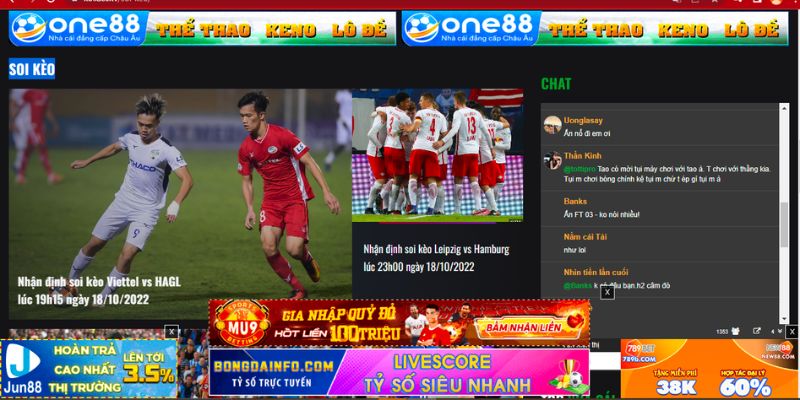
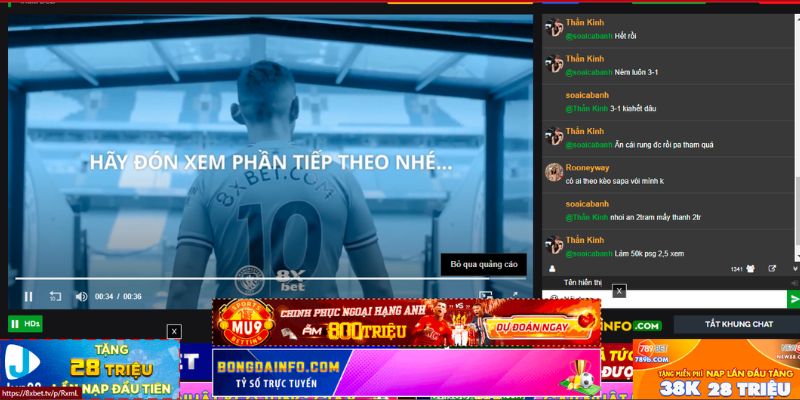
Xoilac TV luôn đề cao trải nghiệm của người xem, nên không chèn quá nhiều quảng cáo làm gián đoạn trận đấu. Những thông tin quảng cáo để duy trì hoạt động của thương hiệu sẽ được đơn giản hoá dưới dạng hình ảnh banner. Xoilac cũng đã thiết kế banner với kích thước nhỏ để không làm gián đoạn quá trình giải trí của mọi người. Đương nhiên, bạn cũng có thể tắt những quảng cáo này đi nếu thấy chúng đang làm phiền tới mình.
Các tính năng khác tại Xoilac TV
Hiện nay, kênh xem trực tiếp bóng đá Xoilac đã cập nhật thêm rất nhiều tính năng để phục vụ người chơi. Cụ thể:
Tin tức
Tại Xoilac, các thông tin bóng đá mới nhất về các giải đấu từ trong nước cho tới quốc tế như thông tin trước trận, cầu thủ, huấn luyện viên, chuyển nhượng,...đều được cập nhật mỗi ngày. Được biên tập bởi đội ngũ nhân viên có chuyên môn cao, mọi người có thể dễ dàng nắm được tình hình bóng đá trên thế giới đang diễn ả như thế nào.
Kết quả
Những trận bóng diễn ra trong vòng 24 giờ vừa qua sẽ được website của Xoilac cập nhật kết quả đầy đủ. Người xem thông qua tính năng này sẽ giúp mọi người cập nhật nhanh tỷ số của trận bóng như thế nào. Ngoài ra, những dữ liệu về cầu thủ ghi bàn, số lần phạt góc, số thẻ phạt, ném biên, thời lượng kiểm soát bóng,...cũng được cung cấp.

Xem Highlight xôi lạc tv
Nếu bạn không thể theo dõi những trận bóng ngay khi nó đang diễn ra, kênh xem trực tiếp bóng đá Xoilac cũng mang tới các video highlight chất lượng cao cho mọi người tham khảo. Nhờ vậy, mọi người có thể nhanh chóng nắm được những sự kiện chính xảy ra trong suốt 90 phút thi đấu chính thức.
Lịch thi đấu xoilac:
Kho truy cập kênh xem trực tiếp bóng đá Xoilac, mọi người sẽ được cập nhật nhanh lịch thi đấu của tất cả các giải đang được tổ chức. Do đó, bạn có thể chủ động sắp xếp thời gian và nắm được những thông tin cơ bản về đội hình ra sân, sân tổ chức trận đấu,...
Bảng xếp hạng
Website xem trực tiếp bóng đá Xoilac cũng không quên mang đến những bảng xếp hạng của các giải bóng đá hàng đầu hiện nay cho khán giả cùng được biết. Bất cứ sự thay đổi nào trên bảng xếp hạng về thành tích của các đội bóng mà bạn yêu thích sẽ được cập nhật chính xác nhất.
Tỷ lệ kèo trực tiếp xoilac
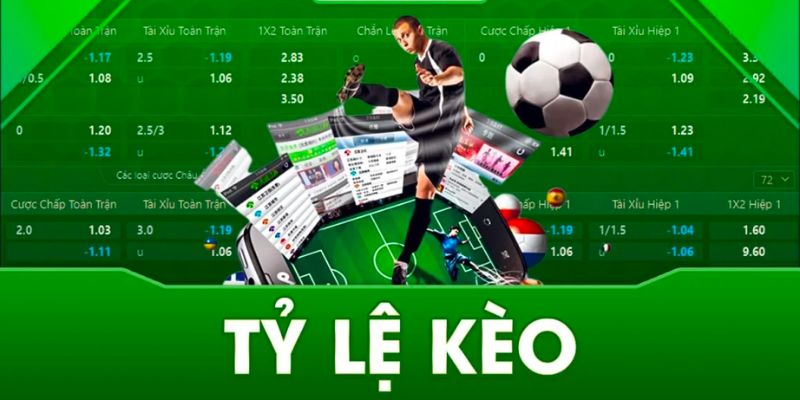
Trang web của Xoilac TV hiện nay mang tới số lượng kèo cược nhà cái cực lớn cho những fan hâm mộ thể thao có thể tham khảo. Trước khi trận đấu diễn ra từ 10 đến 15 phút, bạn có thể nhanh chóng lựa chọn cho mình một kèo cược phù hợp nhất với bản thân.
Những thông tin trong bảng kèo đều được cập nhật đầy đủ. Điều này hỗ trợ những người chơi có thể bắt đầu bắt kèo chuẩn xác và có được lợi nhuận nhất định cho mình.
Tips:
Tại website của Xoilac TV, mọi người sẽ được cập nhật thêm những kinh nghiệm soi kèo nhà cái cực chuẩn, được tổng hợp từ đội ngũ chuyên gia. Đây chính là những dữ liệu để gia tăng tỷ lệ thắng của bất cứ kèo cá độ bóng đá nào.
Livescore:
Tính năng livescore bóng đá của kênh xem trực tiếp bóng đá Xoilac TV cũng giúp mọi người cập nhập tỷ số trận đấu đang diễn ra nhanh nhất có thể. Vì vậy dù không thể theo dõi từng đường bóng lăn, bạn cũng có thể nắm được kết quả nhanh nhất.
Hướng dẫn cách theo dõi bóng đá trực tiếp tại Xoilac TV
Trang web xem trực tiếp bóng đá Xoilac được thiết kế một cách khoa học và tiện lợi để bất cứ người chơi nào cũng có thể truy cập. Ngoài ra, nền tảng của kênh cũng hoàn toàn tương thích với cả điện thoại di động, máy tính, laptop... chạy trên bất kỳ hệ điều hành nào. Điều này giúp việc tìm kiếm và xem các trận đấu bóng đá trực tiếp trở nên vô cùng dễ dàng thông qua một vài bước cơ bản sau:
- Bước 1: Mở trình duyệt web như Google Chrome, Firefox, Cốc Cốc, Opera...
- Bước 2: Tìm kiếm với các từ khóa như Xoilac hoặc xem trực tiếp bóng đá Xoilac trên intenet.
- Bước 3: Truy cập vào địa chỉ được gợi ý đầu tiên khi tìm kiếm thông tin.
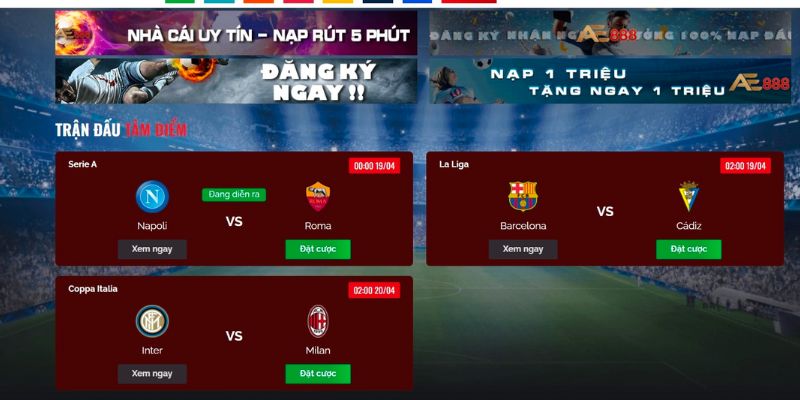
- Bước 4: Chọn mục "Trang Chủ", bạn thấy danh sách các đường link để xem trực tiếp các trận đấu bóng đá đang diễn ra trong ngày.
- Bước 5: Cuối cùng, bạn chỉ cần chọn trận đấu mà bạn muốn xem và tận hưởng.
Để giúp bạn dễ dàng tìm kiếm trận đấu mong muốn, website đã phân chia thành nhiều mục như "Trận HOT", "Các trận đang diễn ra", "Diễn ra trong ngày hôm nay", "Ngày mai",... Ngoài ra, bạn còn có thể lựa chọn theo giải đấu bóng đá mình quan tâm.
Khi sử dụng bất kỳ đường link nào để xem bóng đá trực tiếp trên XoiLac TV, mọi người sẽ không phải trả bất kỳ khoản phí nào. Thêm vào đó, mỗi trận đấu đều được cập nhật trên 3 đường link khác nhau, cam kết không chứa mã độc hay virus ảnh hưởng đến trải nghiệm của mọi người.

Kết luận
Như vậy, tất cả những thông tin về kênh xem trực tiếp bóng đá Xoilac đã được chúng tôi tiết lộ chi tiết ở bài viết trên. Có thể thấy rằng, đây là một nền tảng chất lượng để các fan hâm mộ bóng đá có thể thoả mãn đam mê của mình. Vậy còn chần chừ gì mà không tham gia truy cập website ngay để không bỏ lỡ bất cứ trận đấu kịch tính nào từ các đội bóng mà mình yêu thích.